Culture, Nature, and our urban creative health…
Designing for Culture, Nature and Wellbeing.
In cities across the UK and around the world, health systems are increasingly recognising that wellbeing isn’t only created in clinics...
Arts, culture, and engagement with nature are increasingly recognised as part of how we stay well—not just individually, but collectively. Social prescribing continues to grow, with people being referred to creative activities, cultural spaces, and time outdoors to support mental health and connection. It’s a shift that feels long overdue, but there’s still a gap between what we know works, and what we’re actually building.
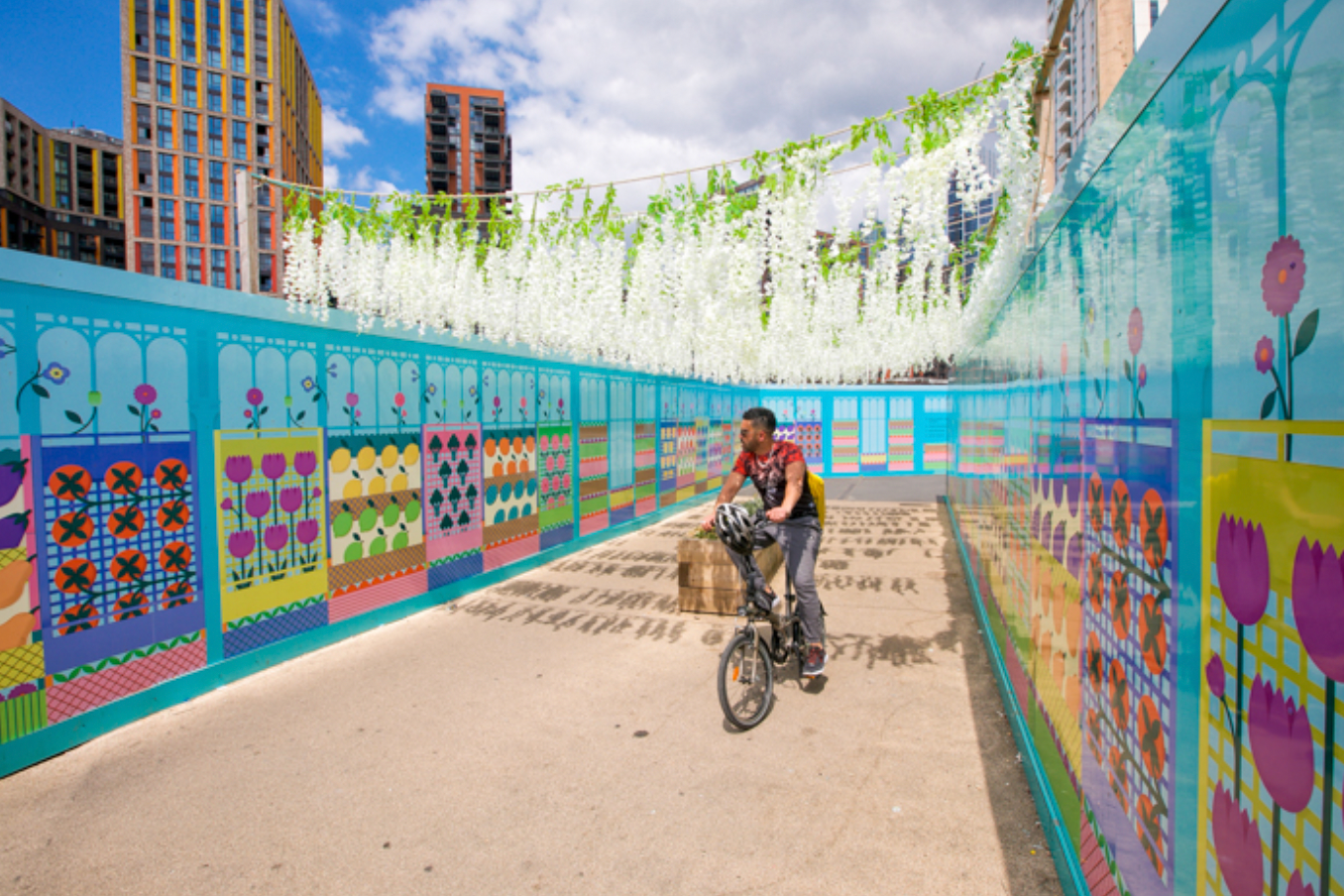
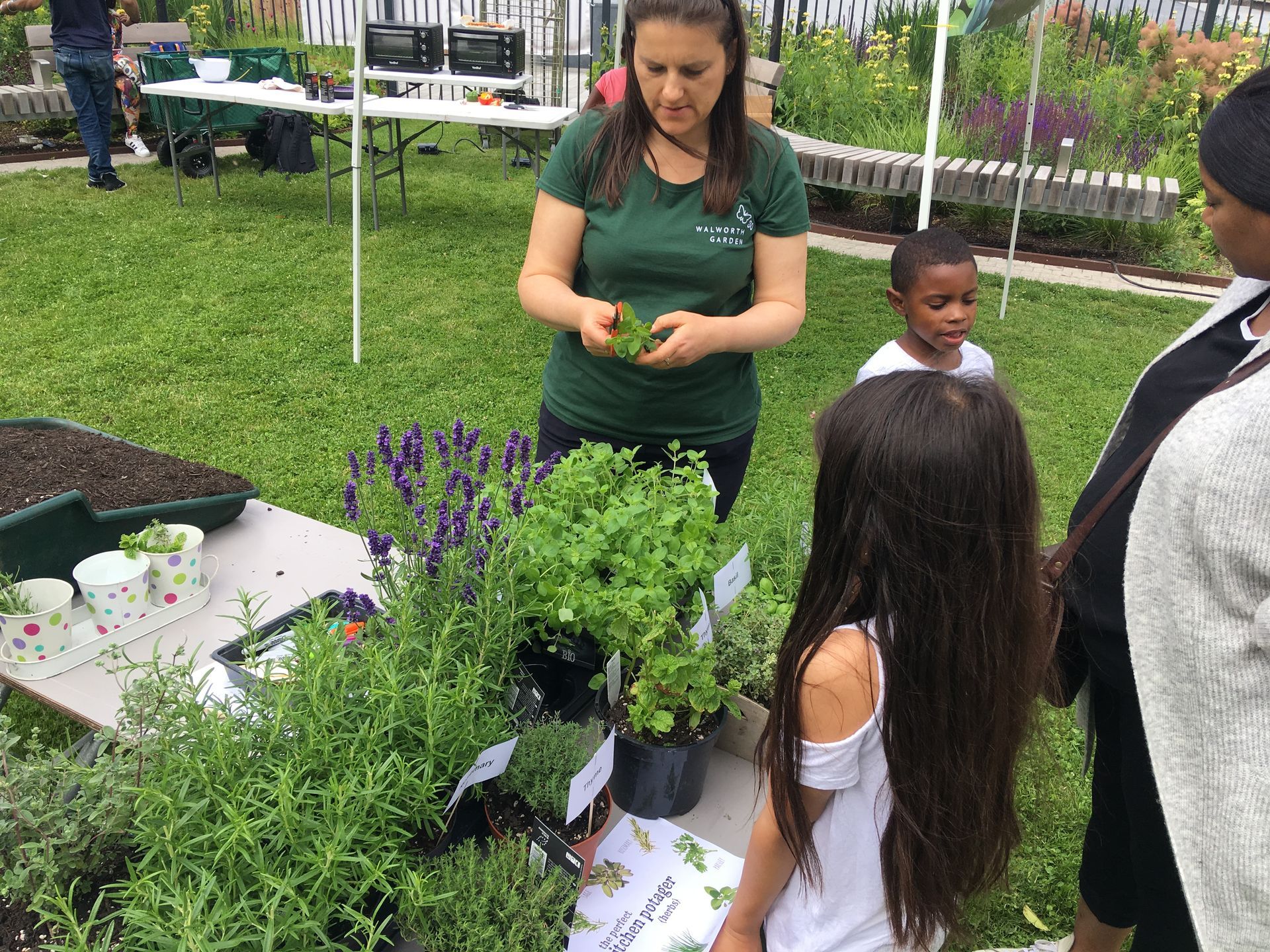
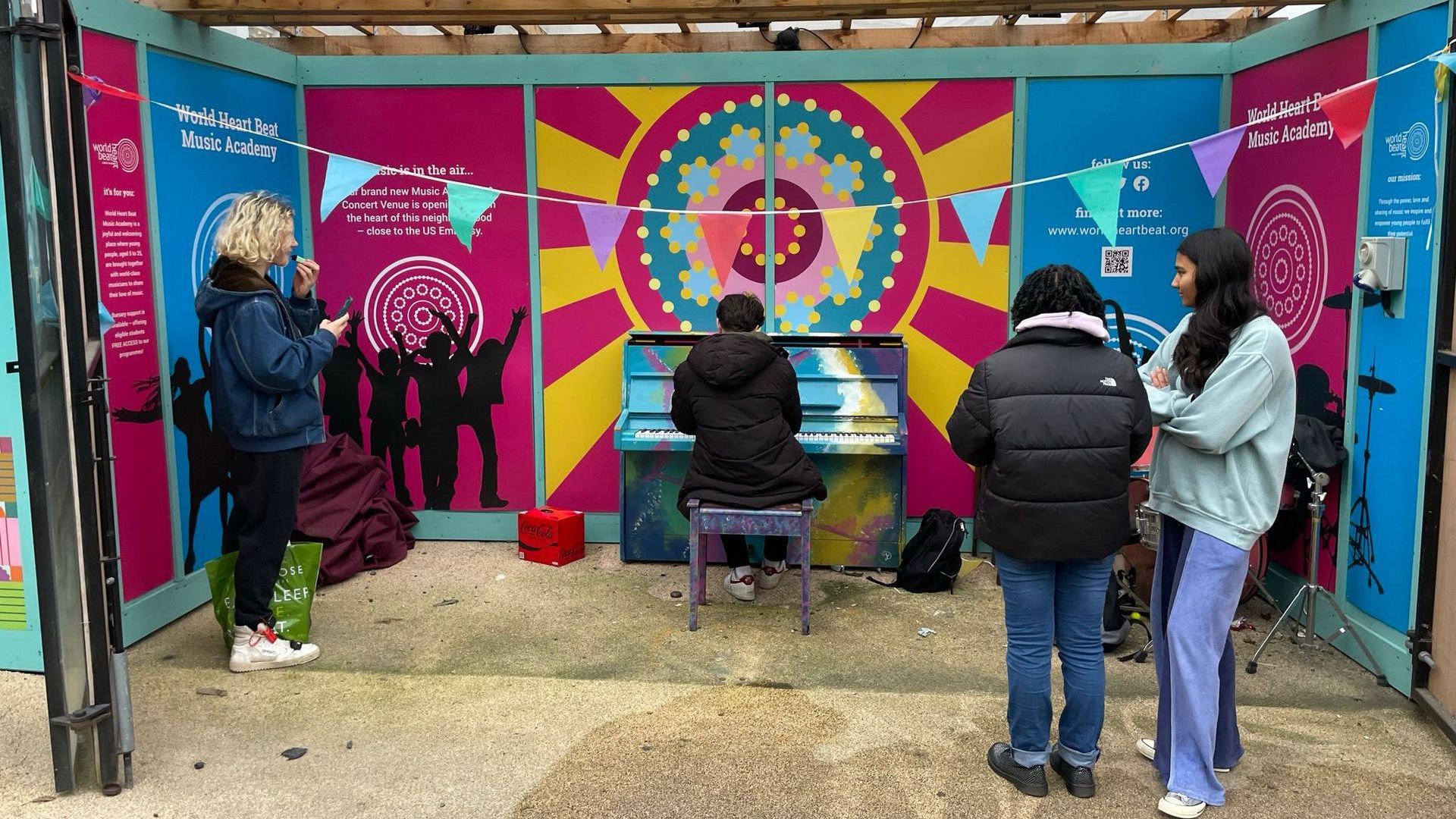
We KNOW that engaging with nature can reduce anxiety and depression, and that creative activity can strengthen social bonds and support mental health. However, this isn’t only about parks or formal arts venues, it’s about the everyday spaces in between:
- places to sit, gather, and talk
- somewhere for children to play
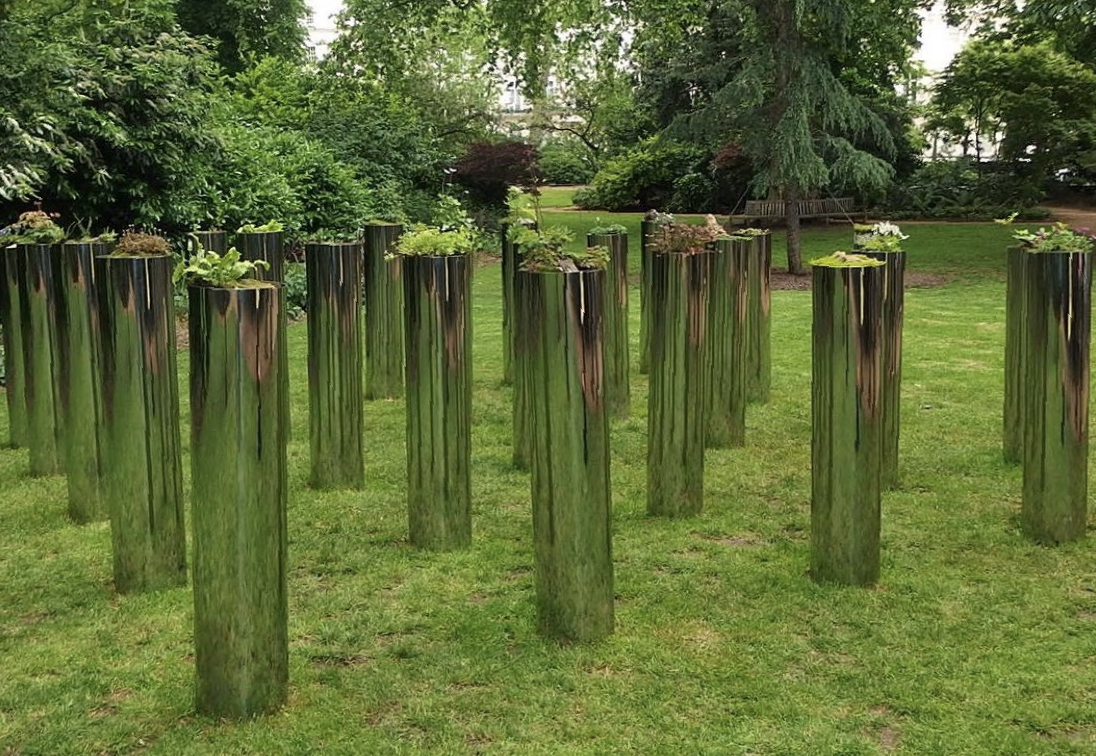
- shared courtyards and gardens
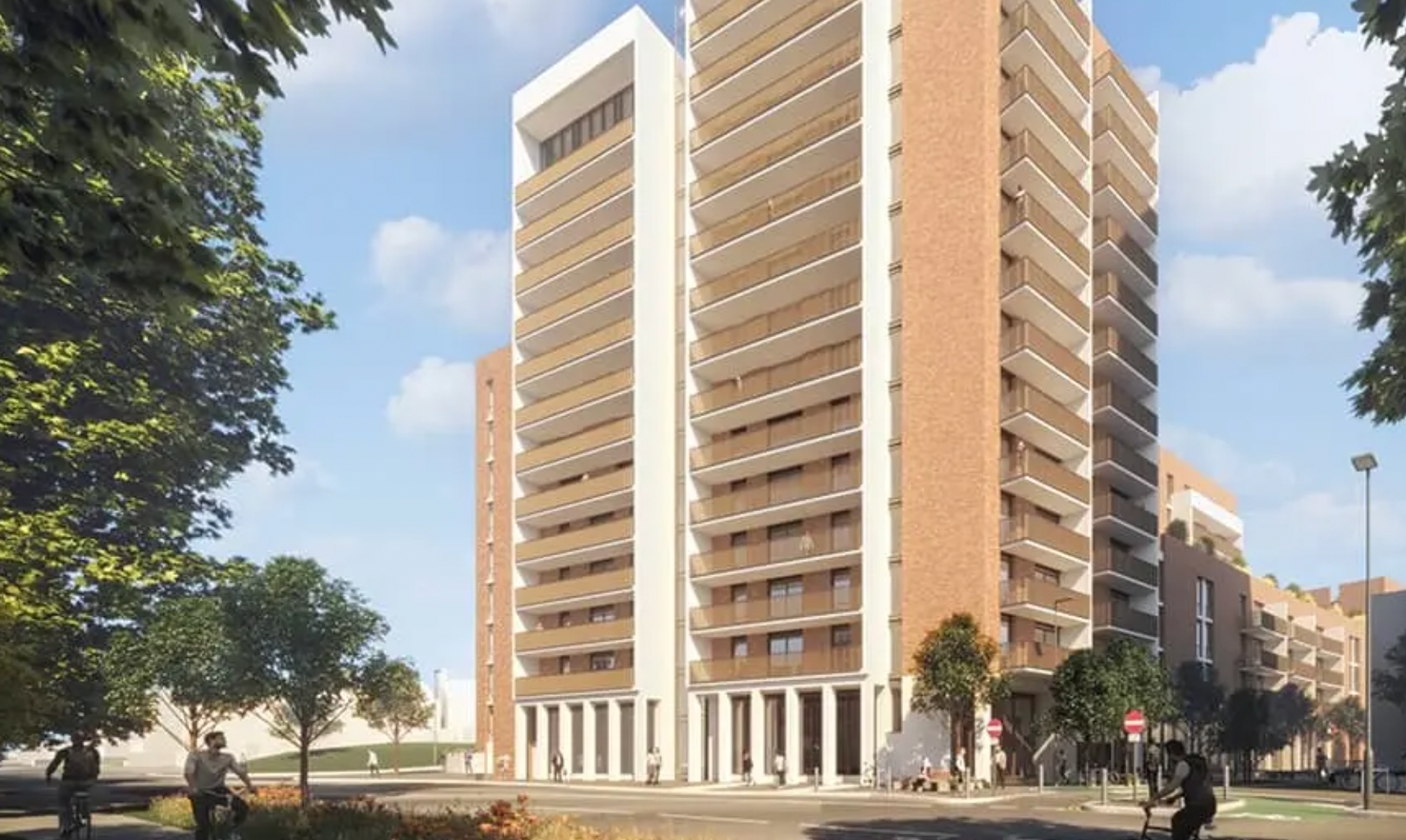
- balconies and thresholds that open up to air, daylight, and planting
- spaces that invite people to pause, create or connect over a shared interest
These are the places where wellbeing happens quietly, as part of daily life.
A GAP in how we plan
Even with all the evidence, these kinds of cultural connection spaces are still often treated as optional amenities rather than essential infrastructure. Yes, it's of course encouraging to see more people acknowlegding that art and green space 'must be valued as more than 'nice-to-haves' but, in most cases, they’re still the first to shrink when budgets tighten or land becomes more valuable. And yet, they’re exactly what makes social prescribing—and the wider creative health movement—even possible in practice!
The result? The very spaces needed to deliver social prescribing and creative health outcomes are inconsistently available and the same time, we’re seeing increasing emphasis on “placemaking”—on activation, programming, and meanwhile use.
When spaces aren’t designed to support gathering, creativity, or interaction with nature or cultural from the outset, these activities become harder to deliver—and even harder to sustain.
Design first, then activate.
When places are designed with culture, nature, and wellbeing in mind from the beginning, the programming becomes easier (and cheaper!), the activation feels more natural and use is more consistent—and more meaningful. Because the space already invites it.
In that sense, placemaking works best not as a layer added later, but as something embedded in the physical and social fabric of a place.
Looking further afield
It's fantastic to see The Greater London Authority is mapping and protecting cultural infrastructure as part of city growth and looking abroad other cities are starting to move in this direction. In Singapore, the “City in Nature” approach integrates greenery into everyday urban life.
And across Paris, Melbourne and Copenhagen, we’re seeing increasing integration of public space, culture, and nature—designed for participation as much as access.
Perhaps the shift is this:
Instead of asking “How do we activate this place?”, we start by asking “How will people spend time here?”
If we begin there, we naturally create spaces that support gathering, play, creativity, and connection to life.
And from that foundation, everything else—programming, cultural activity, community use—has somewhere to grow.