Notes on culture, place, and the work behind the work.
September alway has that back-to-school vibe and we love the fresh notebooks, and sharper pencils. A new academic year starting somewhere, even if you're nowhere near a school! This month that makes it easy to remember something a lot of us forget in the middle of the working year: that the most valuable habit in any professional practice, ours included, is curiosity. My husband recently, and (unknowingly) generously, compared me to Hermione Granger... It landed better than intended probably because one of my favourite things about the Harry Potter books is their underlying argument that it doesn't really matter who your parents were, or which school you went to... What matters is whether you stay curious enough, and work hard enough, to keep learning. The greatest witches and wizards, it turns out, are the ones who never assume they've finished their homework! This applies unnervingly well to the built environment... The developers, clients and consultants we most enjoy working with all share the same underlying quality. Not necessarily the smartest in the room, not the most experienced, not the ones with the biggest portfolios — the ones interested in learning and building a team who know more than they do. The ones who arrive on a new site and want to know what it used to be, who lives around it now, what's already working there, and what the place itself might be trying to tell them. The ones who ask questions before arriving with answers. Listening, of course, is inseparable from it — and one of our own core values. Curiosity without listening is just performance. Some of the best insights we've helped surface on projects have come not from workshops or strategy documents, but from the quiet conversations at the edges: the property managers who knows why the north side of the building is never used, the neighbour who's walked past the site for thirty years, the marketing lead who mentions the thing they've never quite said out loud. Curious people listen. Learners listen more. That instinct becomes especially valuable when heritage is involved. Heritage is too often treated as a constraint to be negotiated with — a listing designation, a consultee to be handled, a set of red lines. In the projects that go best, we've found, heritage is treated as an asset rather than a fear: not something to circumvent, but something to understand, and — in the understanding — to draw richer meaning and richer value from. The historic layer becomes part of what a new development is for, not something it has to work around. This idea of layers and connection goes further... People protect what they value, and they value what they understand and feel connected to... This is where the arts, artists and cultural programming can be so invaluable in helping people notice, understand and form the kind of relationship with a place that turns another development into our neighbourhood. At a moment when climate resilience, biodiversity and community cohesion are all in the same conversation, that's not decoration. It's fundamental to whether a place is loved enough to be looked after — by residents, by owners, by future generations. Curiosity as a professional practice needs feeding, and that's where research, libraries, conferences and talks quietly earn their keep. We've been deep in preparation this month for our talk at October's Healthy City Design Congress in Salford (20–22 October) — a good reminder that our projects always land better when we make proper time to learn, not only to deliver. If you're planning autumn or 2027 work — a cultural strategy, a public art commission, a heritage-led placemaking programme, or a site with layers you'd like to understand better — we'd love to hear from you. And if you're at HCD2026, come and find us! Curiosity, it turns out, isn't a soft skill. It's the whole game.
August has that quality of the year holding its breath... Diaries thin out, inboxes slow, and even London, usually so relentless, has felt noticeably quieter this month. For a lot of us, August is when we swap the working city for somewhere slower. The countryside, the coast, a rented house in the middle of nowhere. The French have a phrase for it, la fermeture annuelle, which appears every August on the shuttered fronts of bakeries and butchers from Paris to Marseille. A whole society agreeing, more or less at the same time, to stop. Nobody thinks it strange. Nobody starves. The bakery reopens in September and everybody carries on. I've noticed recently how a break, often an enforced one, tends to turn out to be the best way forward. A project timeline that extends, a friend on gardening leave, a decision-maker unreachable for two weeks. Not dramatic full stops, and not doing-nothing time either, just the quieter workaday version of pause: the deliberate, small, well-placed kind that lets everything around it work better. I met a lawyer once who told me his real job was problem-solving, and that to do it properly he needed serious research time, which was really, he admitted, staring-out-of-the-window time. Billed at £400 an hour and quietly the most valuable thing he did all day. He is probably one of the better lawyers I've met... There's a version of this that runs through cultural strategy and the built environment: the strategic pause, the moment between phases where a client stops, looks around, and asks what did we actually learn from that? Placemakers and public artists have their own word for it, dwell time, the measure of whether a space actually invites people to stop, sit and linger. Fred Kent and the Project for Public Spaces school built the modern practice around it. A new generation of AI companions like Dwel are now measuring it in real time. Different words, same idea. A place that earns dwell time is a place that's working. Artists know all this more than most as a creative practice depends on breathing room, the empty hours and the walking that eventually becomes an idea. It's why most artists have some form of sketchbook, and why the best of them fill it with studies, notes and half-thoughts long before they touch a canvas. The sketchbook is the pause, the working-through, the aligning of thought before action. And it's occurred to us lately that play and pause, which we tend to talk about as opposites, are really the same thing wearing different clothes. Play is often a form of rest. Pause, done properly, is the moment the mind wanders and, in the wandering, starts to play. August is when much of our own pause work happens. Reviewing projects, catching up with associates, shaping the strategic and fundraising priorities that will carry the year through. If you're planning a cultural strategy, public art commission or placemaking programme for the last quarter or for 2027, or if you're at a project pause point and wondering how to make the most of it, we'd love to hear from you. Pause isn't a break from the work. Very often, it's where the work actually starts.
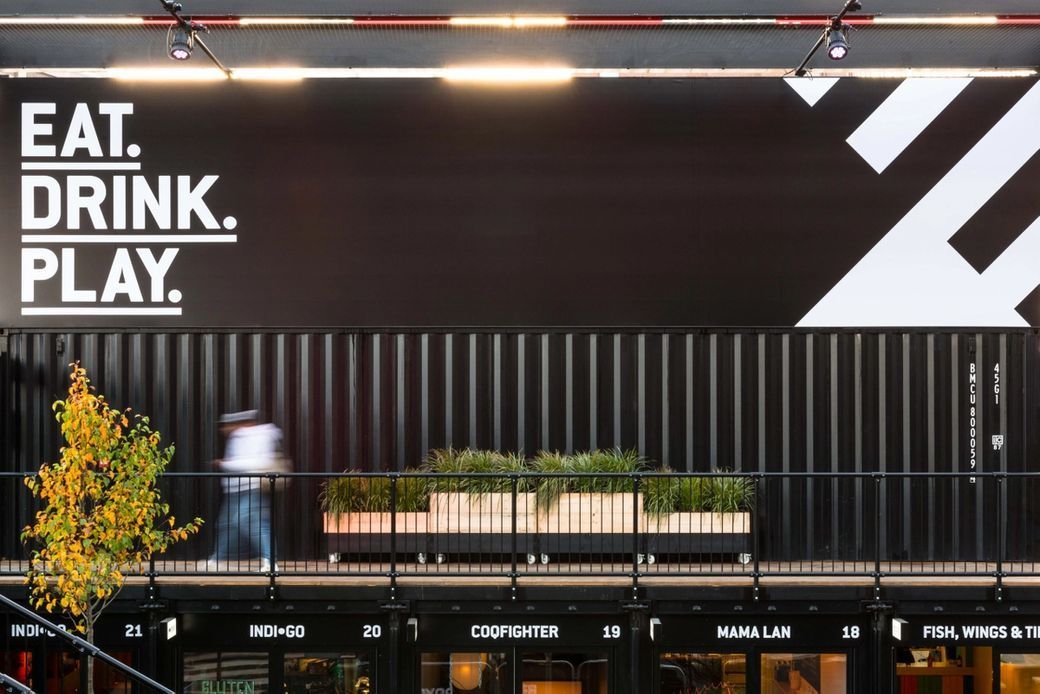
Play as method, play as place... Play has been the word we keep coming back to over the last few months. It's surfaced in projects, in conversations with clients, in strategic notes and in end-of-day debriefs — a small, deceptively simple word doing a surprising amount of work. Part of why it keeps working so hard is that it means something different to everyone. For one person, play is a football game win. For another, it's a quiet hour with a book, a festival crowd, a pop-up exhibition in a public square, a five-year-old and a stick. It stretches across ages, disciplines and moods. Not just play in the obvious sense — the infrastructure of it, in playgrounds, sports courts, concert halls and public realm. And not only play in culture — the festivals, gigs, community moments and shared experiences that give places their identity. But also play as a method — the space and time to experiment, make mistakes, try things without needing to know where they'll land. And, quietly underneath all of it, play as a way of exploring and discovering — new ideas, new places, new relationships. Getting to know a city we've never visited. Getting to know a person we've just met. Trying an approach at work we haven't tried before. Exploring, making, testing, imagining, discovering. Ingrained human needs, all of them. And all of them, in the end, come back to that one simple word. There's a growing body of thinking that treats play as serious infrastructure. Arup's Urban Play Framework, produced with the LEGO Foundation and the Royal Town Planning Institute, argues that play should be considered alongside transport, energy and housing as something cities plan for, not around. The playable cities movement — public art, interactive interventions, temporary experiments — has been quietly reshaping how councils and developers think about the public realm; think Playful Anywhere's roving Playbox in Leeds, or the interactive commissions of the Playable City network in Bristol. And in cultural strategy, the phrase we hear most often now is test and iterate: try a pop-up before committing to a permanent programme, prototype a space before building it out. That's play too. Just in corporate speak:) We see it particularly in our own work. The best cultural strategies we've been part of have all had a playful stage — early conversations where nothing is fixed, where a client is willing to sit with several possible futures before choosing one. The best public art commissions carry that instinct all the way through delivery: room for the artist to respond to the site, room for the audience to bring their own reading. Places don't work unless people can play in them. Places don't feel alive unless something is being tried. This month — with Wimbledon just ending, festival season everywhere, and the year at its most sociable — play feels particularly present. A tennis rally is play. A festival crowd is play. A board game after dinner is play. Travelling somewhere new is play. Each is a version of the same underlying instinct: to experiment, to move, to see what happens when we do something together. Work hard. Play harder. But maybe, mostly, remember that the two aren't as separate as we think!
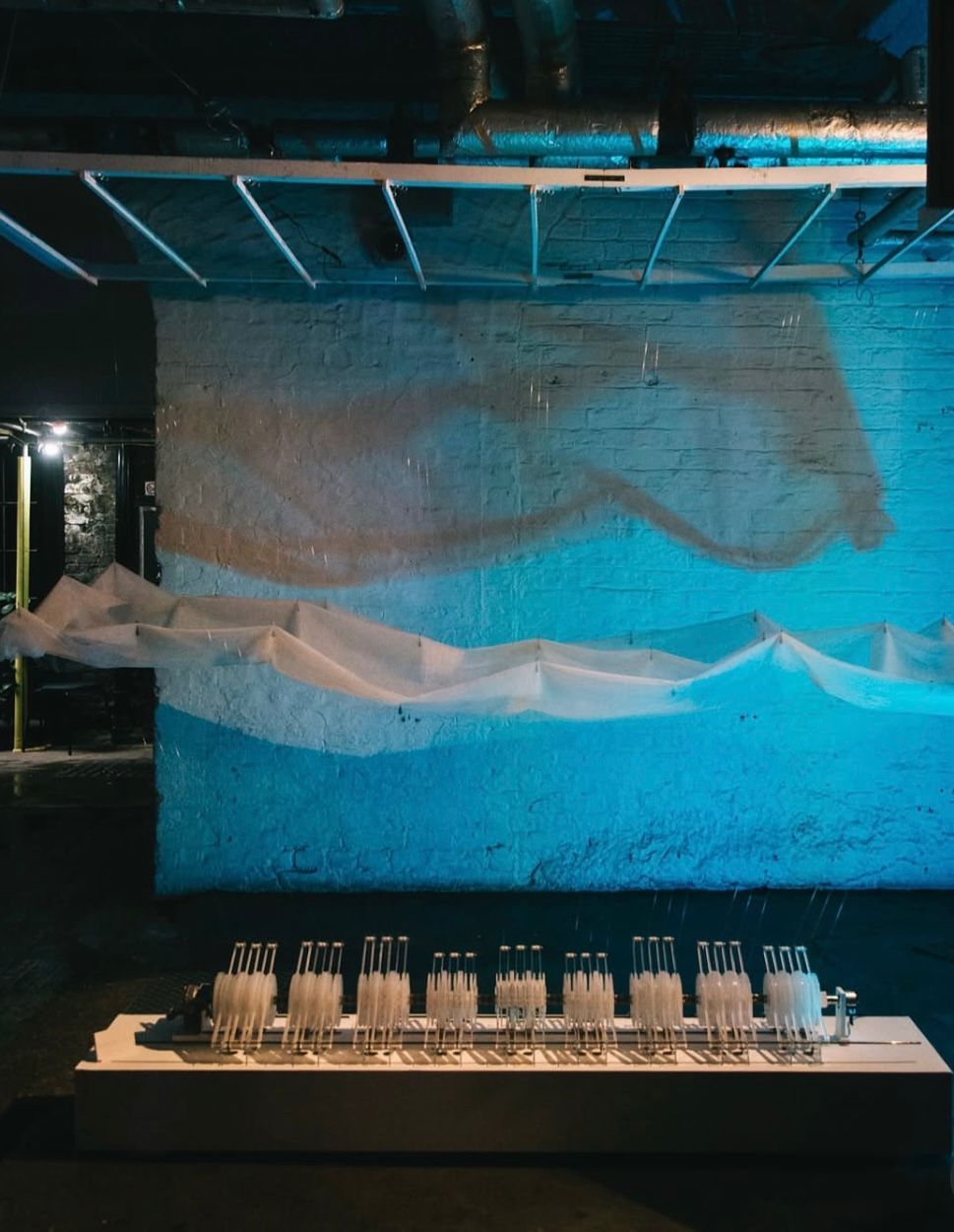
The original universal language...
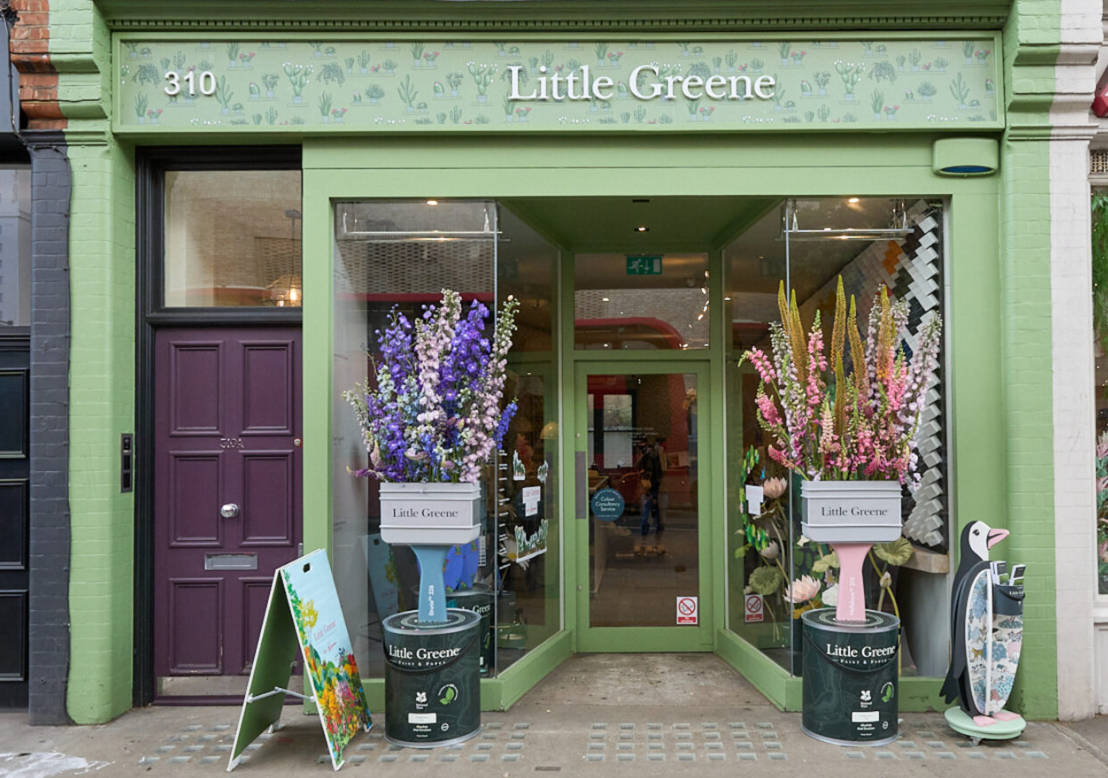
A Common Language
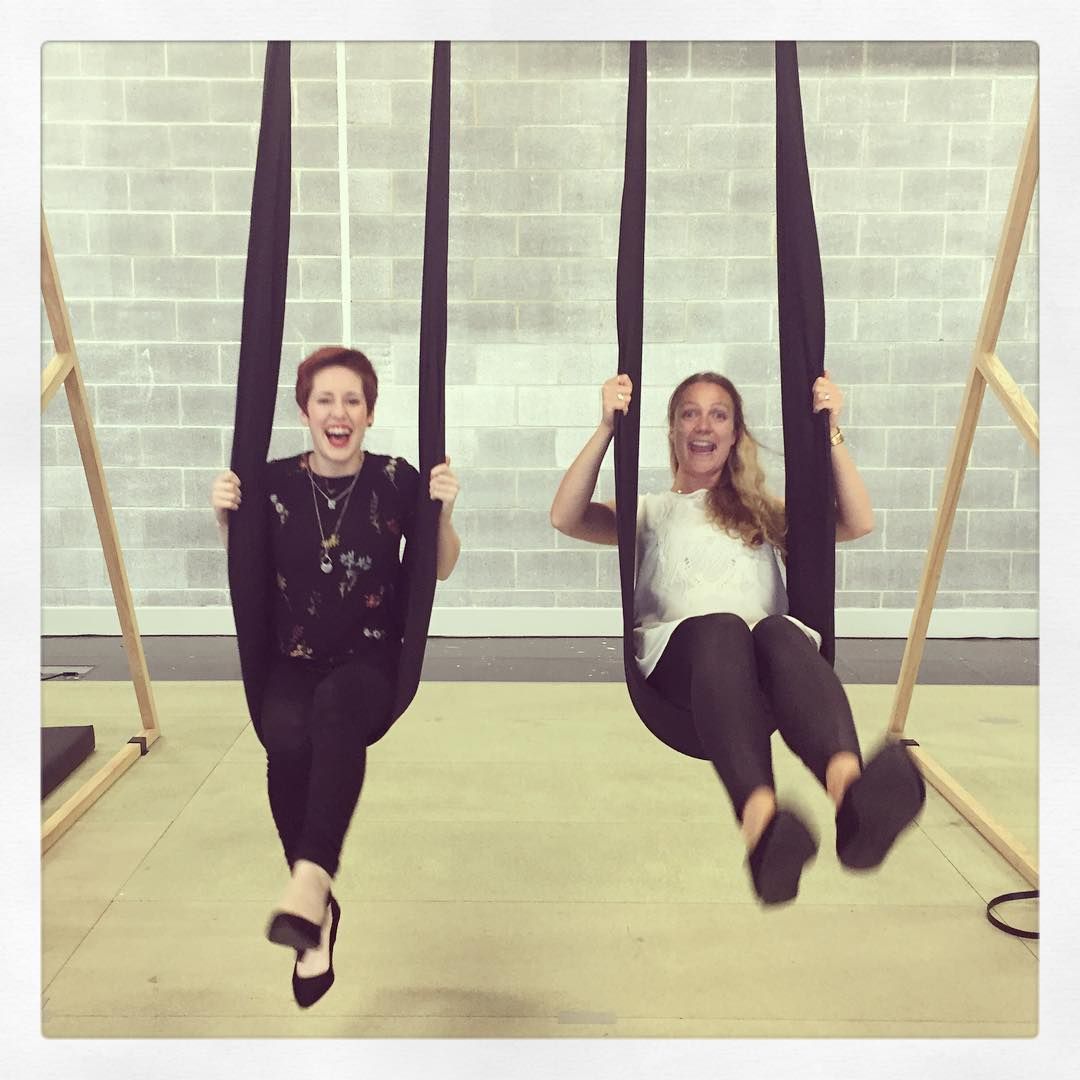
...Of ourselves, each other and the world around us.
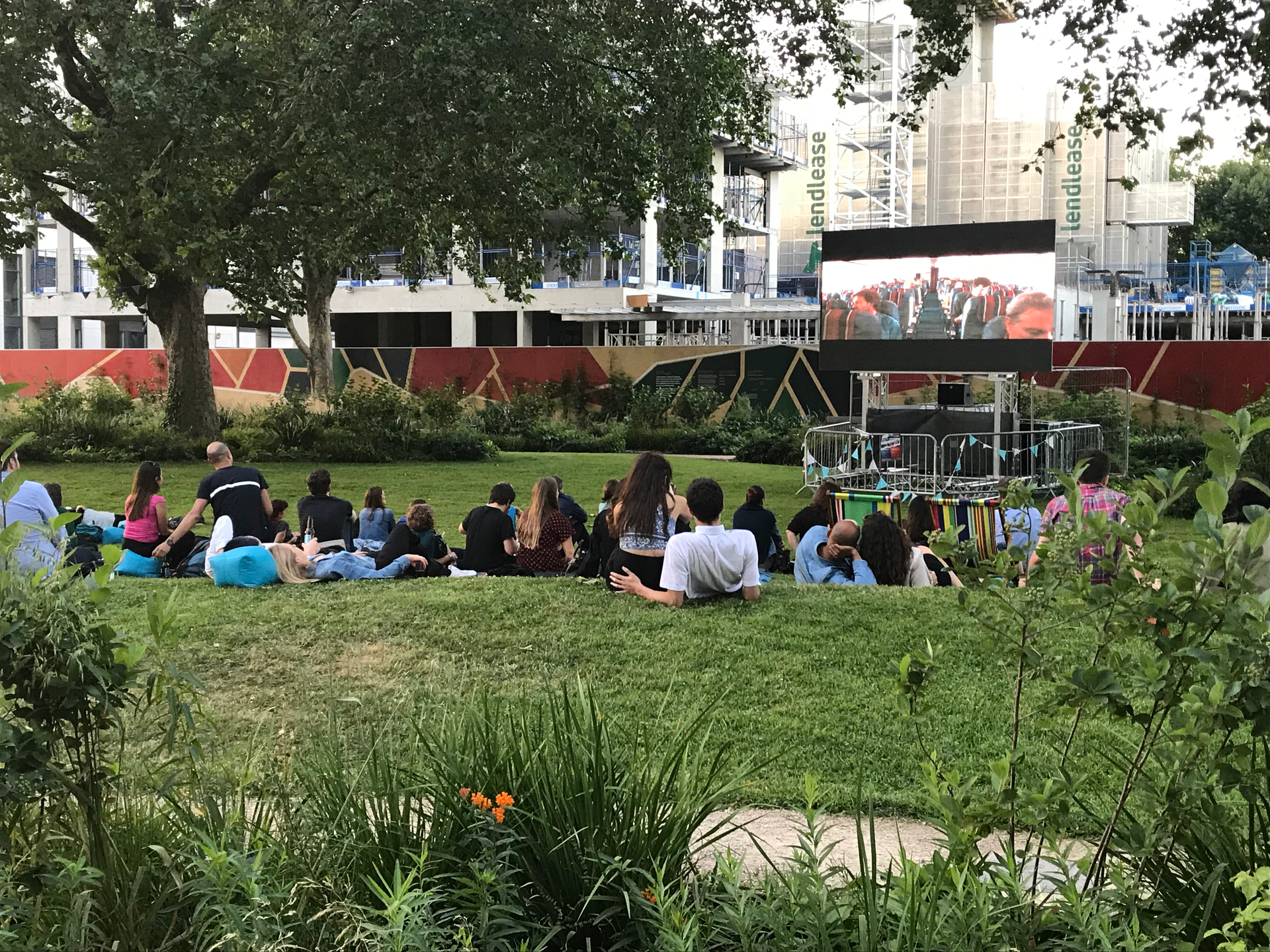
Designing for Culture, Nature and Wellbeing.
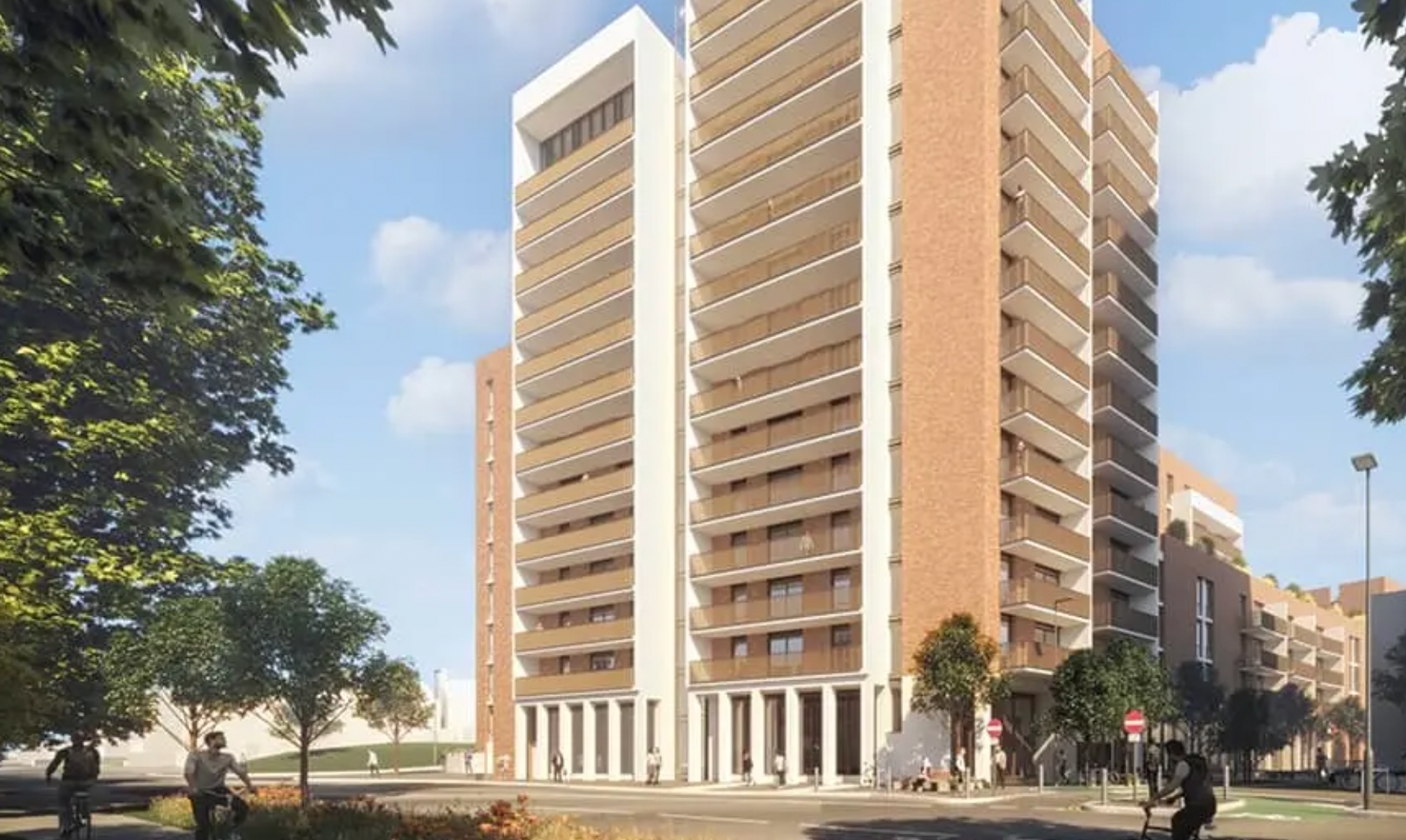
Structure often carries a reputation for being restrictive —
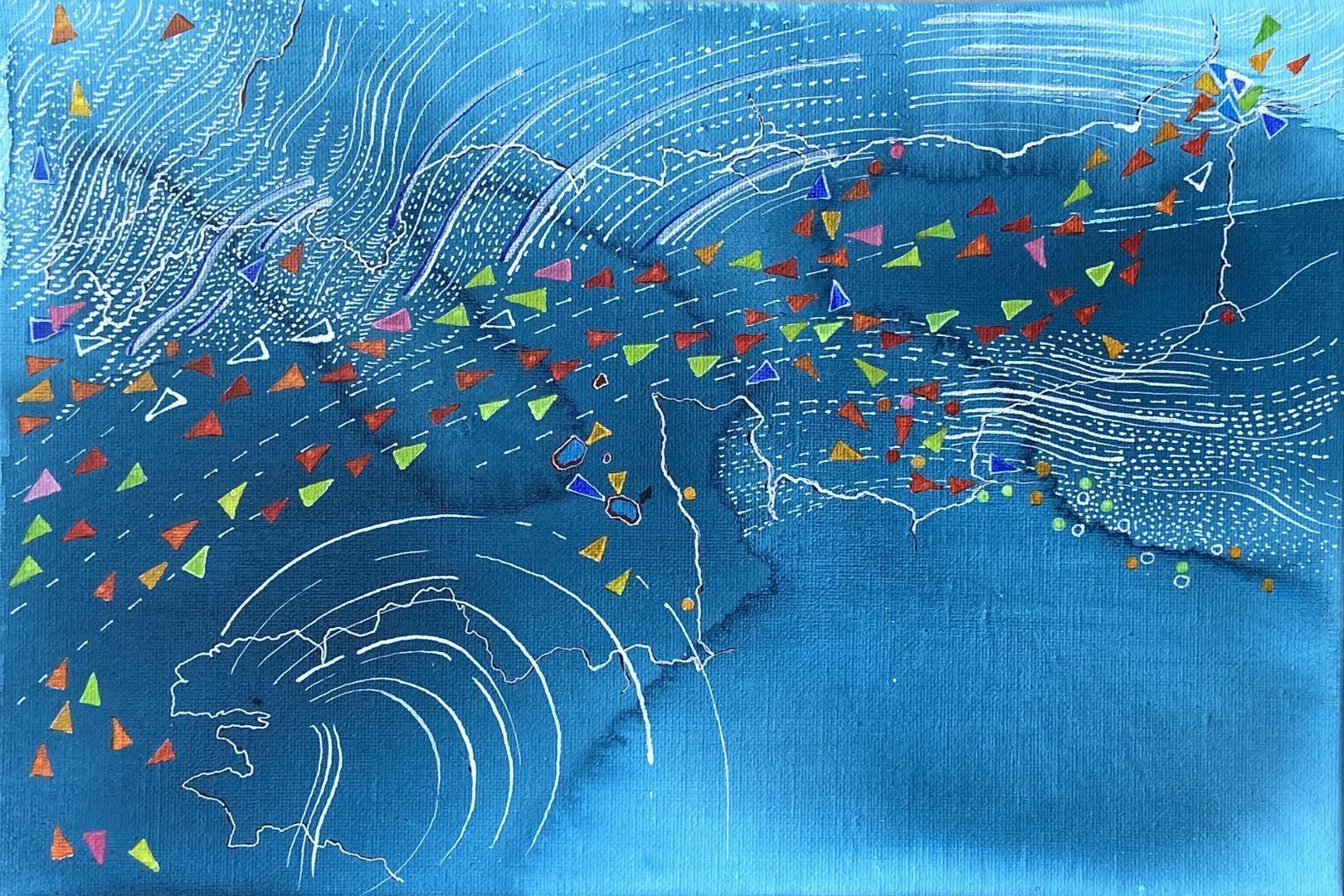
At the start of the year, there is often an expectation to reset —
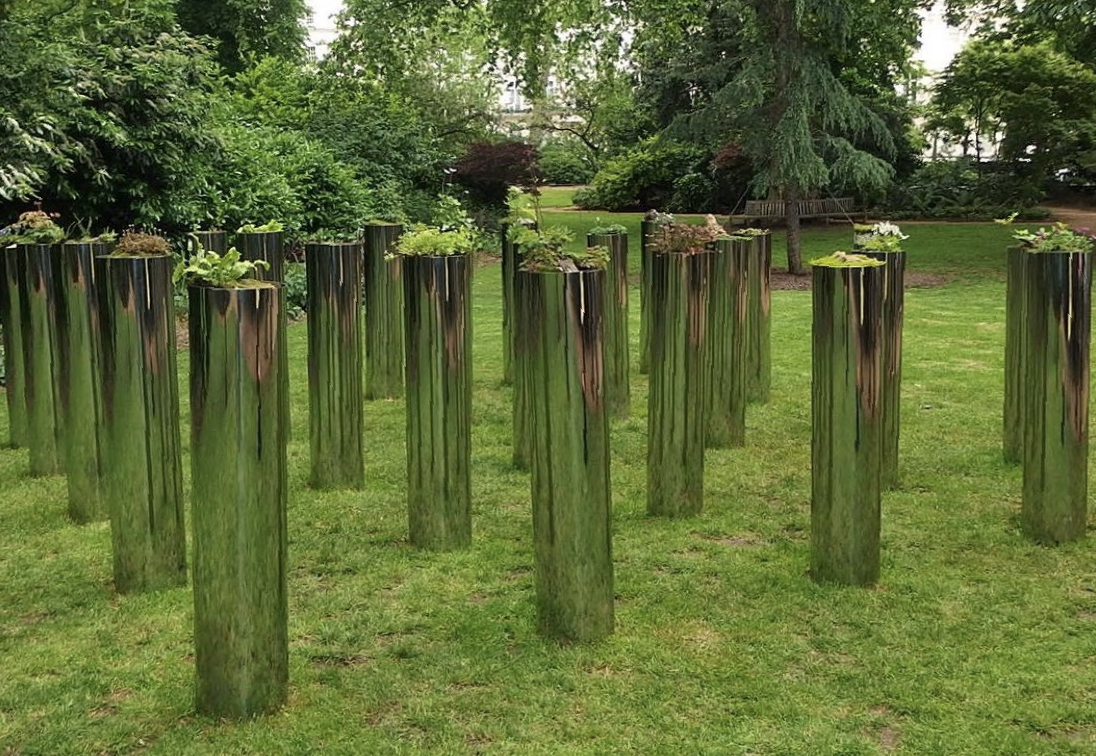
As the year draws to a close, attention often turns to what has been achieved.