In praise of pause
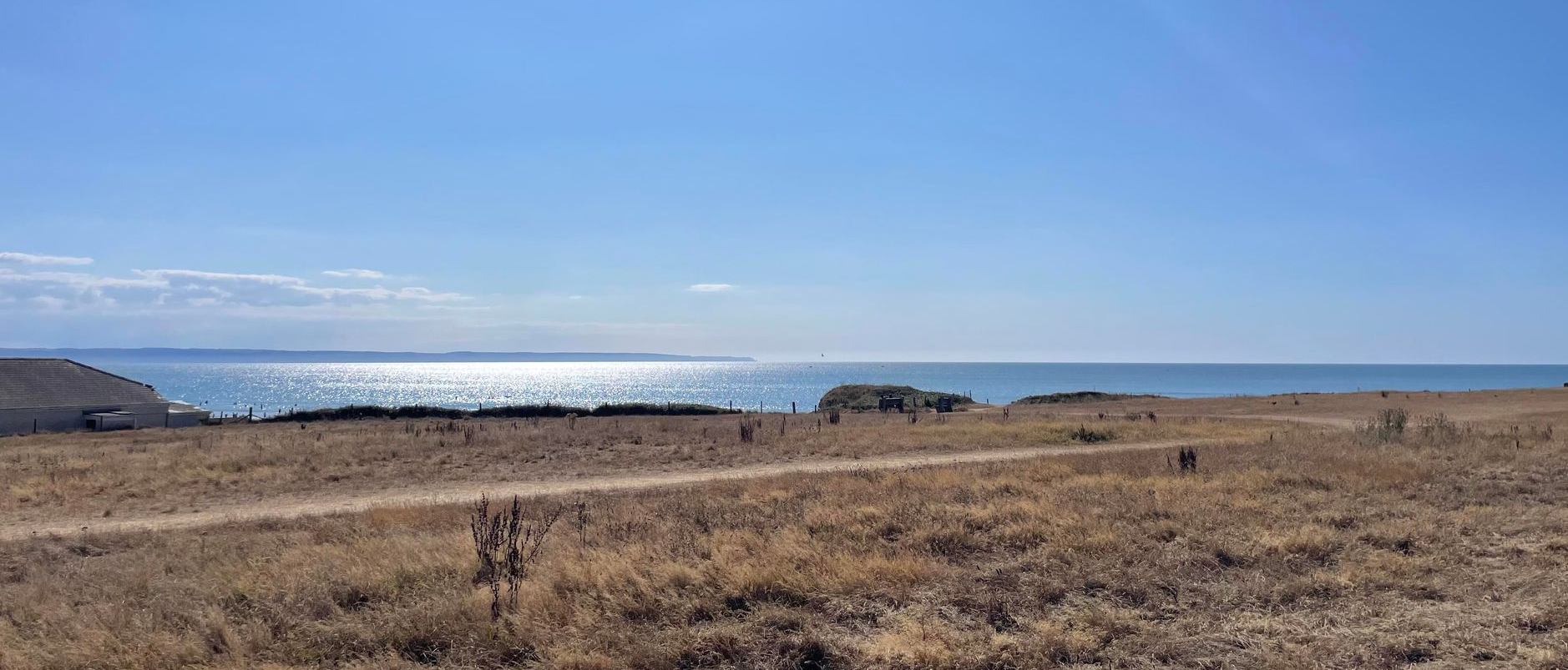
August has that quality of the year holding its breath...
Diaries thin out, inboxes slow, and even London, usually so relentless, has felt noticeably quieter this month.
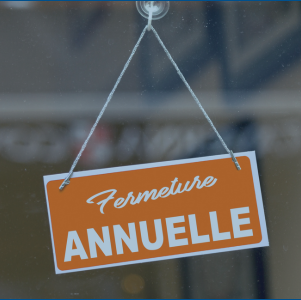
For a lot of us, August is when we swap the working city for somewhere slower. The countryside, the coast, a rented house in the middle of nowhere. The French have a phrase for it, la fermeture annuelle, which appears every August on the shuttered fronts of bakeries and butchers from Paris to Marseille. A whole society agreeing, more or less at the same time, to stop. Nobody thinks it strange. Nobody starves. The bakery reopens in September and everybody carries on.
I've noticed recently how a break, often an enforced one, tends to turn out to be the best way forward. A project timeline that extends, a friend on gardening leave, a decision-maker unreachable for two weeks. Not dramatic full stops, and not doing-nothing time either, just the quieter workaday version of pause: the deliberate, small, well-placed kind that lets everything around it work better.
I met a lawyer once who told me his real job was problem-solving, and that to do it properly he needed serious research time, which was really, he admitted, staring-out-of-the-window time. Billed at £400 an hour and quietly the most valuable thing he did all day. He is probably one of the better lawyers I've met...
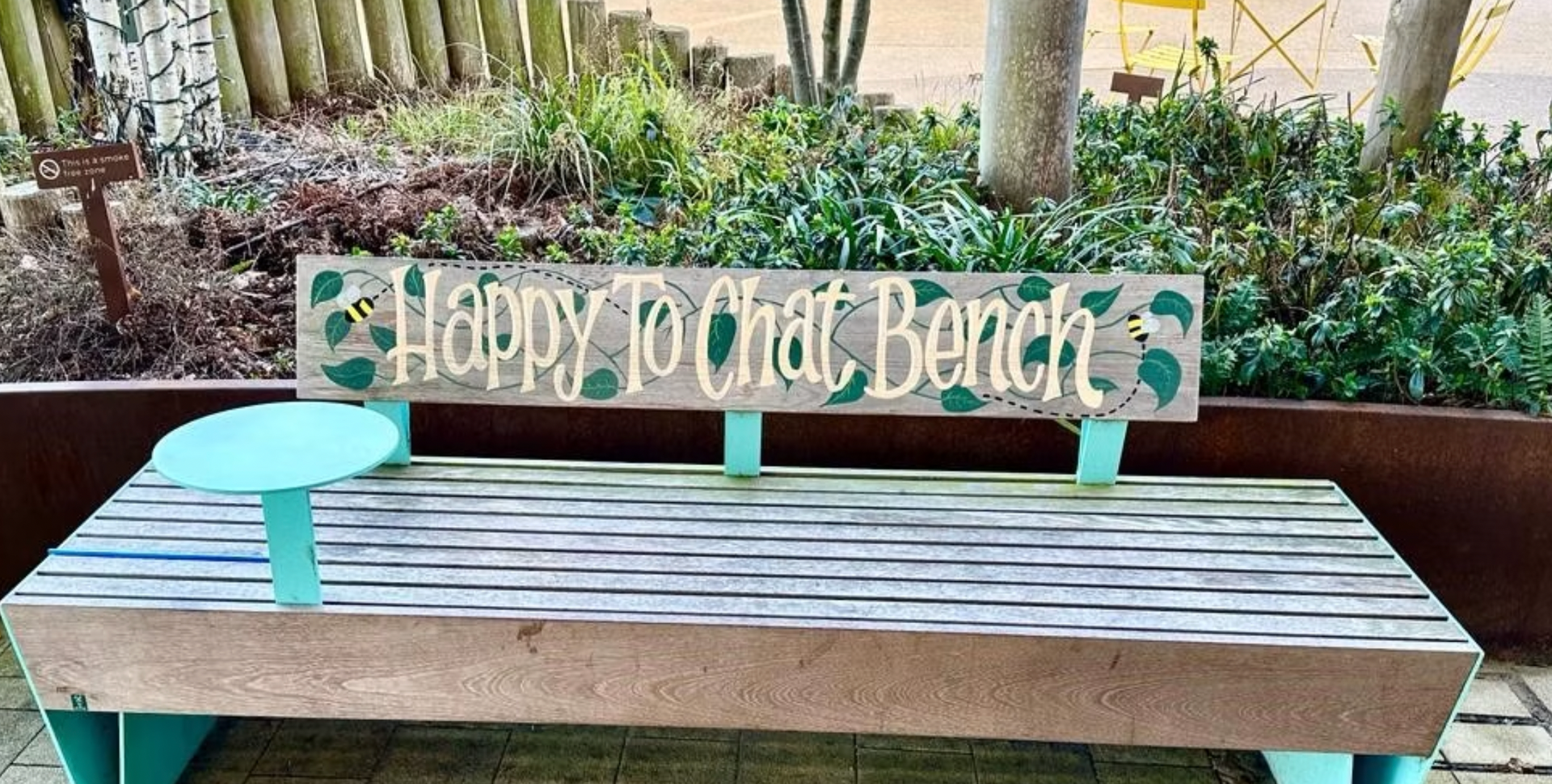
There's a version of this that runs through cultural strategy and the built environment: the strategic pause, the moment between phases where a client stops, looks around, and asks what did we actually learn from that? Placemakers and public artists have their own word for it, dwell time, the measure of whether a space actually invites people to stop, sit and linger. Fred Kent and the Project for Public Spaces school built the modern practice around it. A new generation of AI companions like Dwel are now measuring it in real time. Different words, same idea. A place that earns dwell time is a place that's working.
Artists know all this more than most as a creative practice depends on breathing room, the empty hours and the walking that eventually becomes an idea. It's why most artists have some form of sketchbook, and why the best of them fill it with studies, notes and half-thoughts long before they touch a canvas. The sketchbook is the pause, the working-through, the aligning of thought before action.
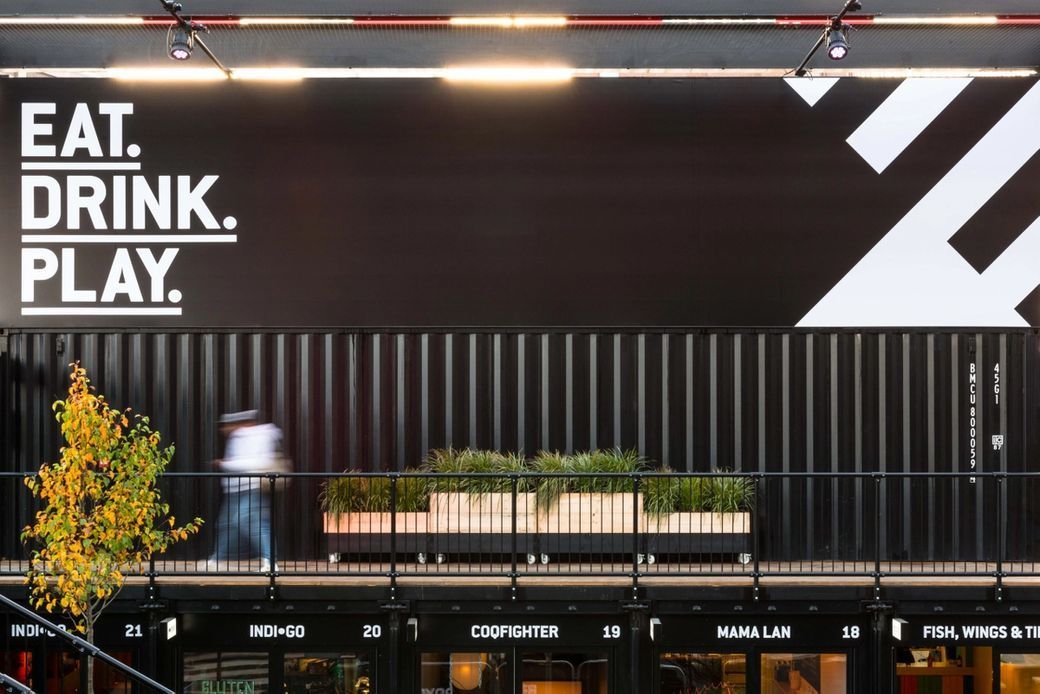
And it's occurred to us lately that play and pause, which we tend to talk about as opposites, are really the same thing wearing different clothes. Play is often a form of rest. Pause, done properly, is the moment the mind wanders and, in the wandering, starts to play.
August is when much of our own pause work happens. Reviewing projects, catching up with associates, shaping the strategic and fundraising priorities that will carry the year through. If you're planning a cultural strategy, public art commission or placemaking programme for the last quarter or for 2027, or if you're at a project pause point and wondering how to make the most of it, we'd love to hear from you.
Pause isn't a break from the work. Very often, it's where the work actually starts.