The things we remember
A good question to carry into November: why do some places stay with us, and others don’t?
Looking back at projects we worked on a decade ago, the answer is quietly obvious. The strategies, cultural programmes and public artworks that have endured — and quietly become part of their places — almost all share one thing: a story that keeps being told, by the people who live with them. The ones that have faded, honestly, didn’t have one.
What makes an artwork, an artist or a place memorable? Nearly always the story behind it, and the people who kept telling it.
Artists have always known this. Public art has evolved a long way from the heroic bronze on a plinth; the best contemporary commemorative work is quieter, more participatory, and far more lasting. Benches with brass plaques. Trees planted in someone’s memory. Projections that invite a whole community to add their voice. Small, cumulative, place-based acts of marking that bind a community to its own past.
With Remembrance Sunday coming up, it’s been a good moment to think about how public spaces are quietly doing this long work of remembering all year round — not only on the formally commemorative days, but in the thousand smaller ways a well-stewarded place carries its past forward.
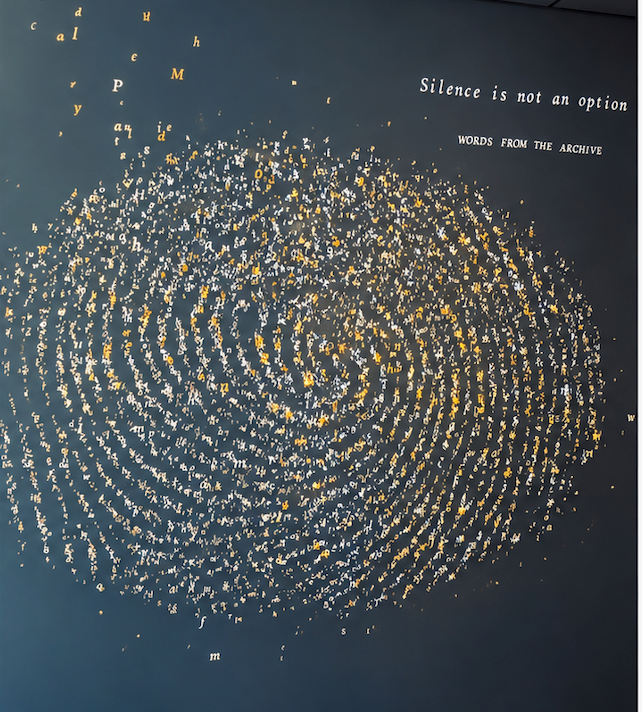
We’re particularly loving the work of Nicola Anthony at the moment — a British Anglo-Indian artist and member of the Royal Society of Sculptors whose new piece We Are One Humanity, for the USC Shoah Foundation in Washington DC, is a lovely example. Memory, built from the words of the people doing the remembering.
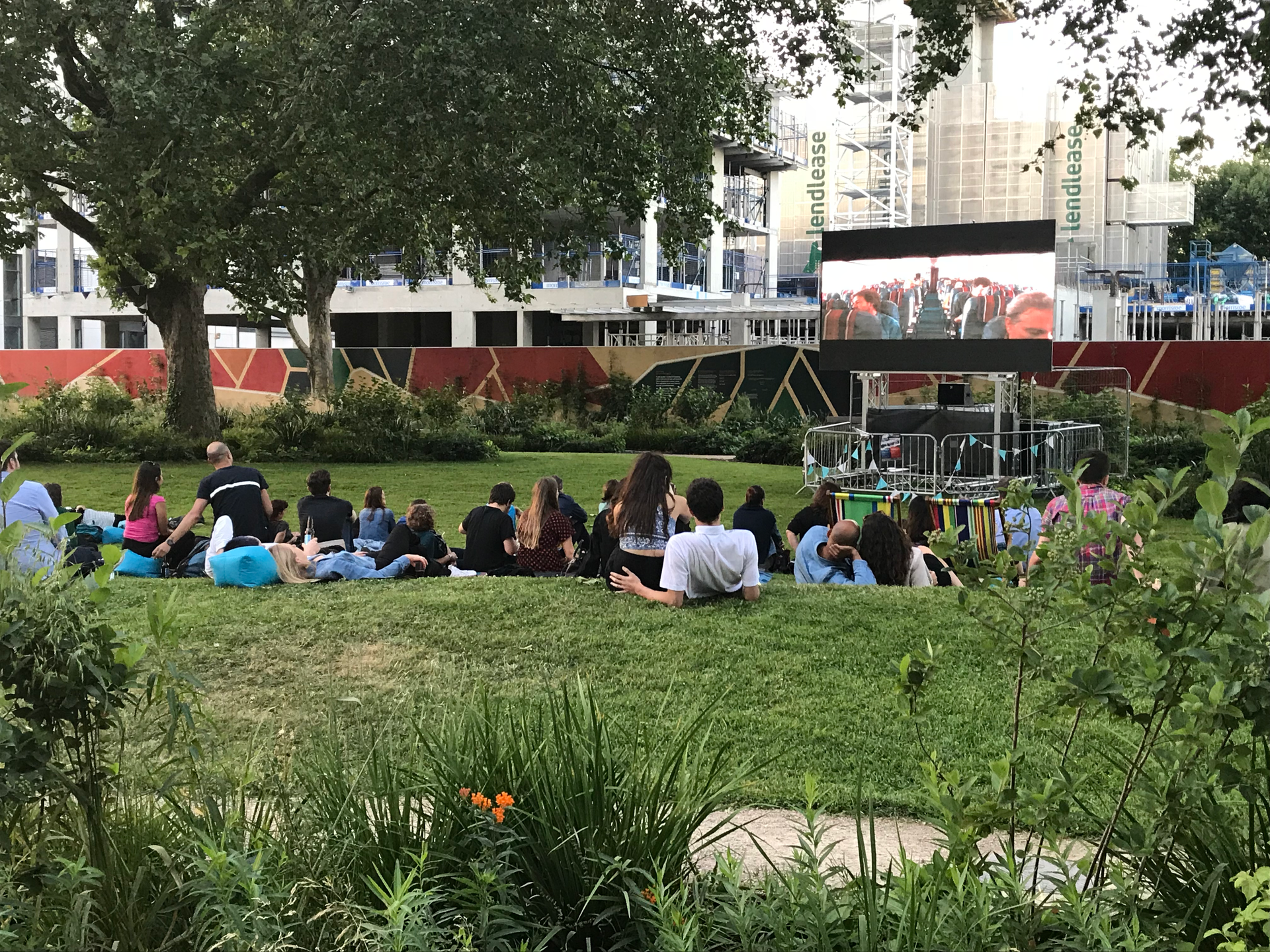
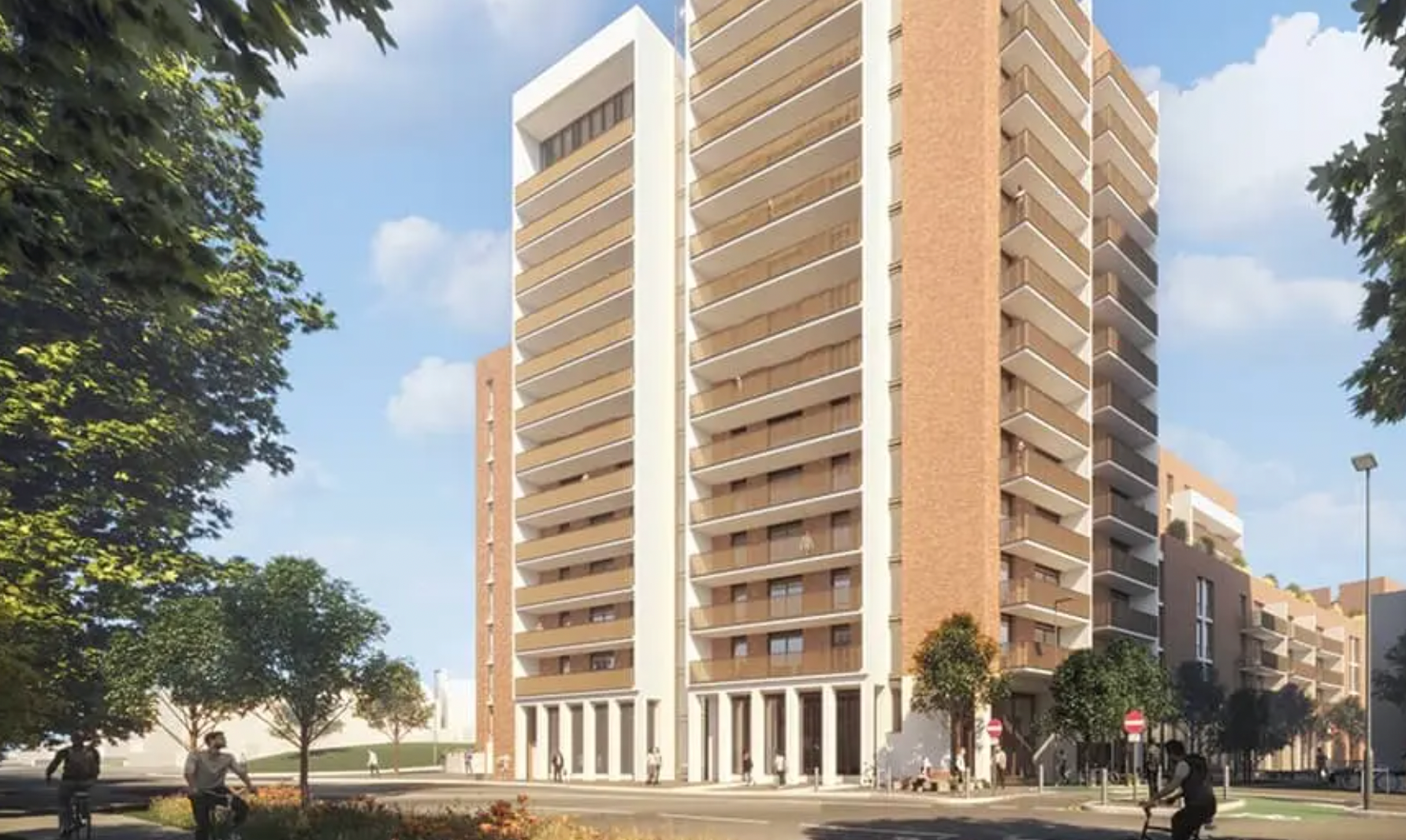
We've been reminicing on two places in particular this autumn... Elephant Park — the main case study in our co-presented talk on creative health at the Healthy City Design Congress — is a redevelopment we’ve watched evolve over the past decade, and one of the first schemes we were involved with that really put culture and nature at the heart of a community. Walking back through it this summer, it was striking how much of what was imagined on paper is now simply part of how people use the place.
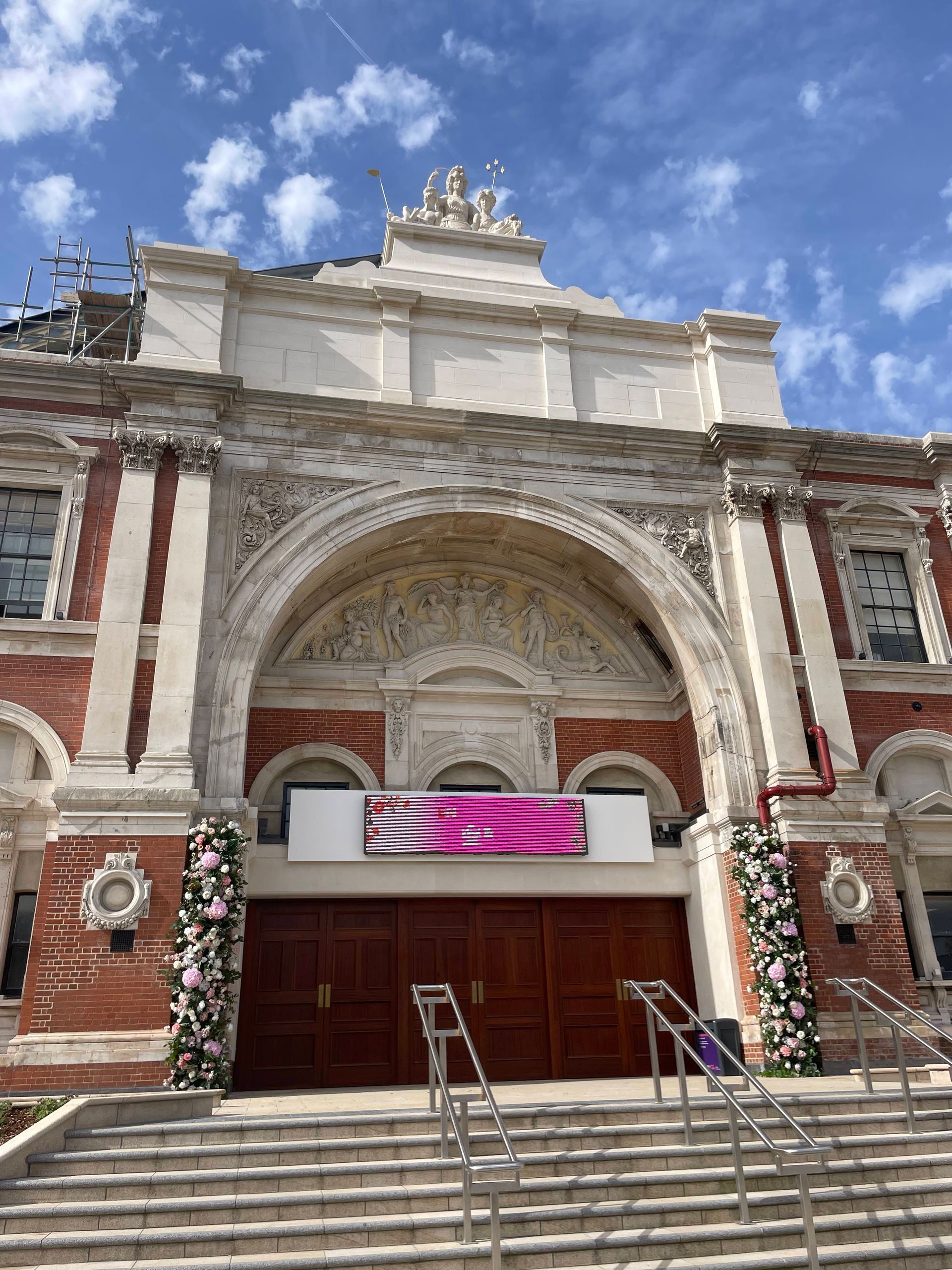
And it was an absolute joy to chair the panel discussion at the West London Business Property Lunch, celebrating the new Olympia London and the creative energy across the area. Olympia is a building many of us have a memory of — a concert, a trade fair, a childhood show — and it was moving to see it reopening into its next chapter with the arts kept firmly front and centre. Just across the road from our childhood home, ownership, pride and belonging aren’t abstract ideas for us there; they’re the quiet memories of generations of people showing up.
Both places reminded us of the same thing: people visit an area for many reasons. They stay, and return, for the culture....
Which is where strategy and placemaking meet something larger: the feelings a place evokes today are the memories of tomorrow. Any plan that doesn’t take culture seriously is quietly deciding what people won’t remember.